A head-to-head breakdown of invasive procedures, pharmaceutical management, and alternatives to flomax and turp surgery.
When weighing the risks of surgical intervention against long-term medication use, many men are turning their attention toward unconventional home-based approaches.
Examining the clinical differences between conventional medical routes and emerging non-surgical protocols.
 🔍 Show me how this compares
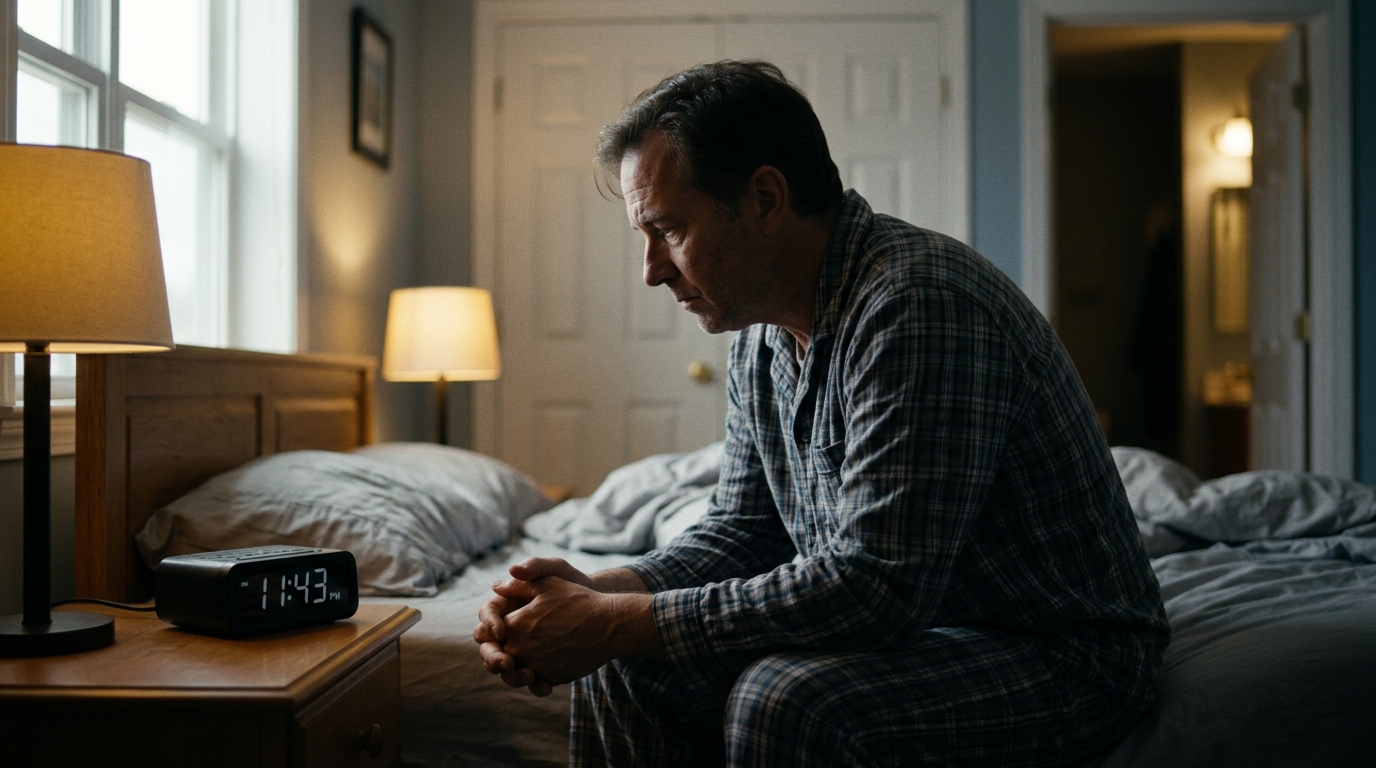
When Every Hour Means Another Trip Down the Hallway
For many men over 50, the evening routine no longer ends when the lights go out. Instead, it starts a familiar, exhausting cycle: waking up every hour between 8 PM and midnight, waiting endlessly for the next trip to the bathroom while the rest of the house sleeps.
Daytime brings its own calculations. Simple errands require mapping out every public restroom location in advance because sudden urinary urgency can strike without warning during a drive or while running routine chores.
When standard options feel overwhelming or inadequate, men are left searching for a clearer breakdown of what choices actually exist for managing prostate changes.
Navigating choices between invasive procedures, daily pharmaceuticals, and non-surgical home methods can feel like balancing on a tightrope.
Here is a direct look at how these three distinct categories compare when addressing prostate enlargement and urinary discomfort.
Comparing the Three Main Paths: Surgery, Drugs, and Home Approaches
A Head-to-Head Breakdown
When dealing with benign prostatic hyperplasia (BPH) and a weakening urinary stream, modern medicine typically presents two primary tracks: pharmaceutical management and surgical intervention. Recently, however, non-surgical home protocols have gained attention from men looking to avoid operating rooms and daily prescriptions.
Prescription medications like Flomax are often the first line of defense, designed to relax smooth muscle tissue around the prostate neck to ease urine flow. While they may offer relief for some, they often come with side effects such as dizziness, fatigue, and retrograde ejaculation.
On the other end of the spectrum, surgical procedures like TURP (Transurethral Resection of the Prostate) physically remove excess prostate tissue obstructing the urethra. While considered effective for severe blockages, invasive surgeries carry inherent risks, including prolonged recovery times, potential incontinence, and permanent impacts on sexual function.
The Emerging Interest in Non-Invasive Alternatives
As more men look for ways to bypass the operating table and avoid long-term drug dependence, attention has turned toward non-surgical home methods. These protocols aim to address internal pressure and swelling directly without altering bodily structures through surgery or flooding the system with synthetic compounds.
The debate isn't just about efficacy; it's about balancing relief against the toll that invasive treatments and strong medications can take on a man's daily life.
Looking Beyond Standard Management Toward a New Perspective
Research spotlight
Dr. Thomas Whitaker
Johns Hopkins-trained urologist with over 18 years of experience in men's health
Many conventional treatments focus exclusively on managing symptoms rather than investigating what creates the internal pressure in the first place.
According to clinical observations, prostate enlargement may be significantly influenced by the accumulation of microscopic toxic compounds over time. These clusters form dense plaque around the prostate tissue, compressing the urethra and triggering urinary urgency, weak flow, and frequent nighttime awakenings. While drugs merely mask these signals and surgery carves away tissue, addressing the underlying pressure points through targeted home routines offers an entirely different category of care.
By examining how unconventional topical methods and nightly rituals interact with tissue pressure, researchers are uncovering a simpler path forward that bypasses both the pill bottle and the scalpel.
Perspectives from Men Who Evaluated Their Options
Read how men over 50 weighed invasive procedures and prescription drugs against alternative home approaches.
-
Denner Washington, 60
New York, NY
★★★★★When I hit 60, my prostate started paying the price. It was wrecking my sleep and my work. I tried standard treatments and they all failed. Finding a non-invasive approach changed everything.
-

Robert Taylor, 58
Chicago, IL
★★★★★My urologist was pushing hard for TURP surgery, but the thought of permanent side effects terrified me. Comparing that to a simple nightly home routine made my decision very easy.
-

William Jenkins, 63
Phoenix, AZ
★★★★★I spent years relying on prescriptions that left me drained and dizzy. Discovering that there was a safe, non-surgical alternative gave me back my sleep and my dignity.
Evaluating different avenues can help clarify which path aligns best with your personal comfort and health goals.
See How the Non-Invasive Approach Stacks Up
The Nightly Home Pressure-Relief Protocol
Research Shows
A detailed visual breakdown explains how targeted home applications may help reduce internal prostate pressure without surgery or pharmaceuticals.
Choosing between invasive operations and lifelong medications is a major decision that requires looking at all available evidence.
In the upcoming presentation, researchers demonstrate how a simple 10-second nightly routine works directly at the root of urinary obstruction, offering a viable third option for men seeking alternatives.
Watch the full video below to see how this method compares against traditional treatments and why medical professionals are discussing its potential.